CORRADO FERRANTE – conventional boxes
Light-space-time. Entities of immense dimensions…
They surround me. And I am completely immersed in them.
I seek to bring order by sublimating the impulses that define me.
Memories of a childhood and adolescence that revealed to me a changeable nature.
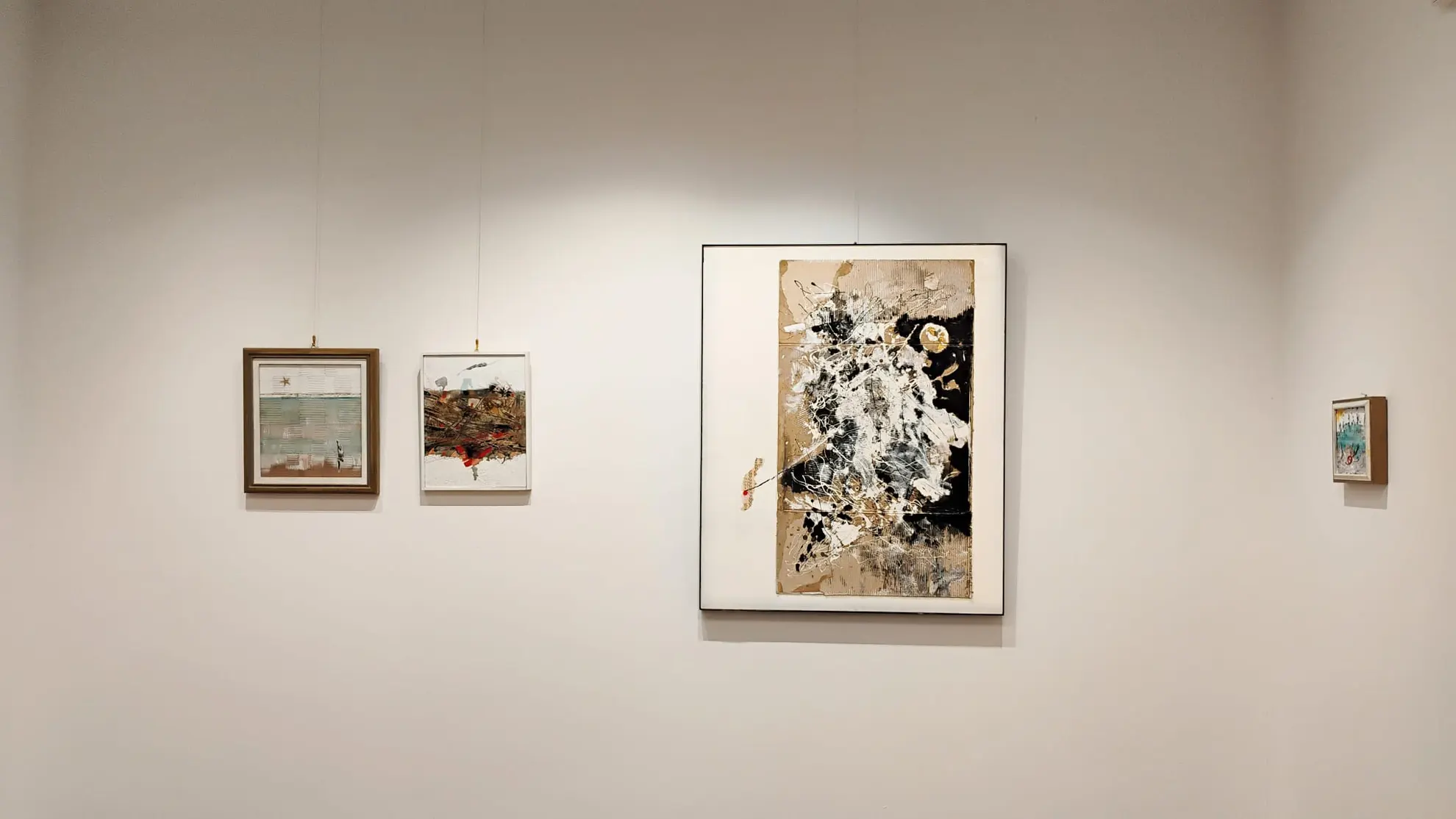
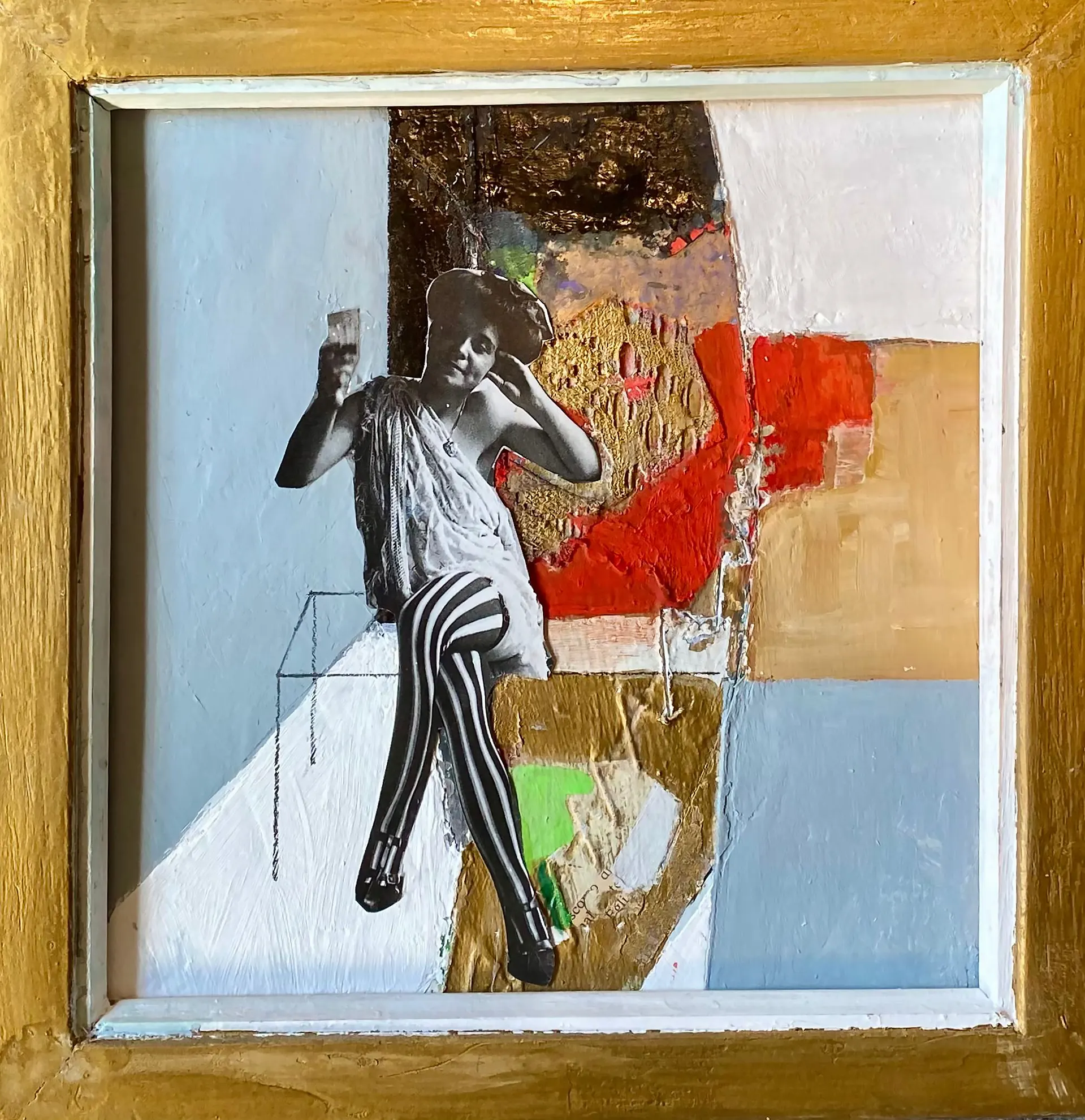
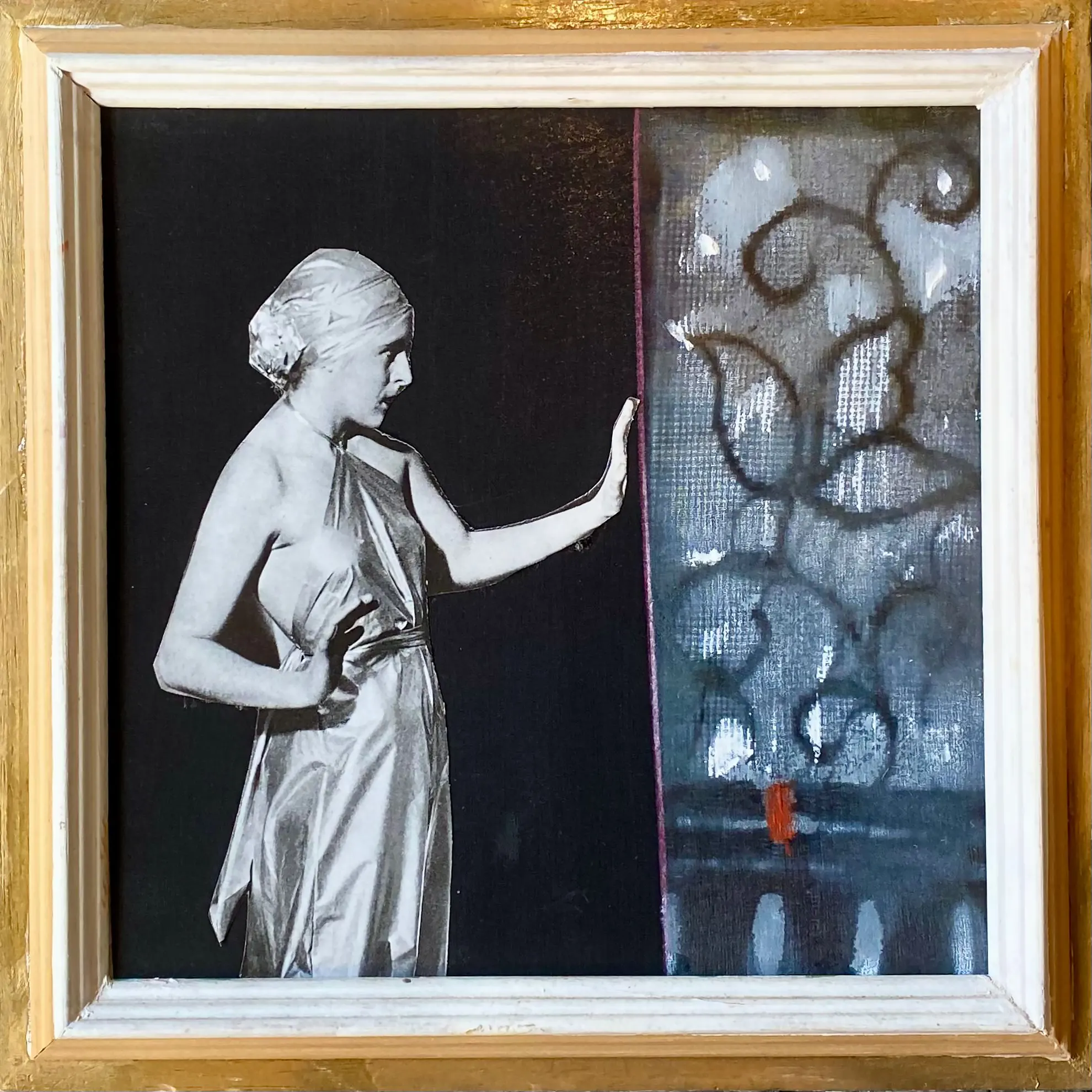
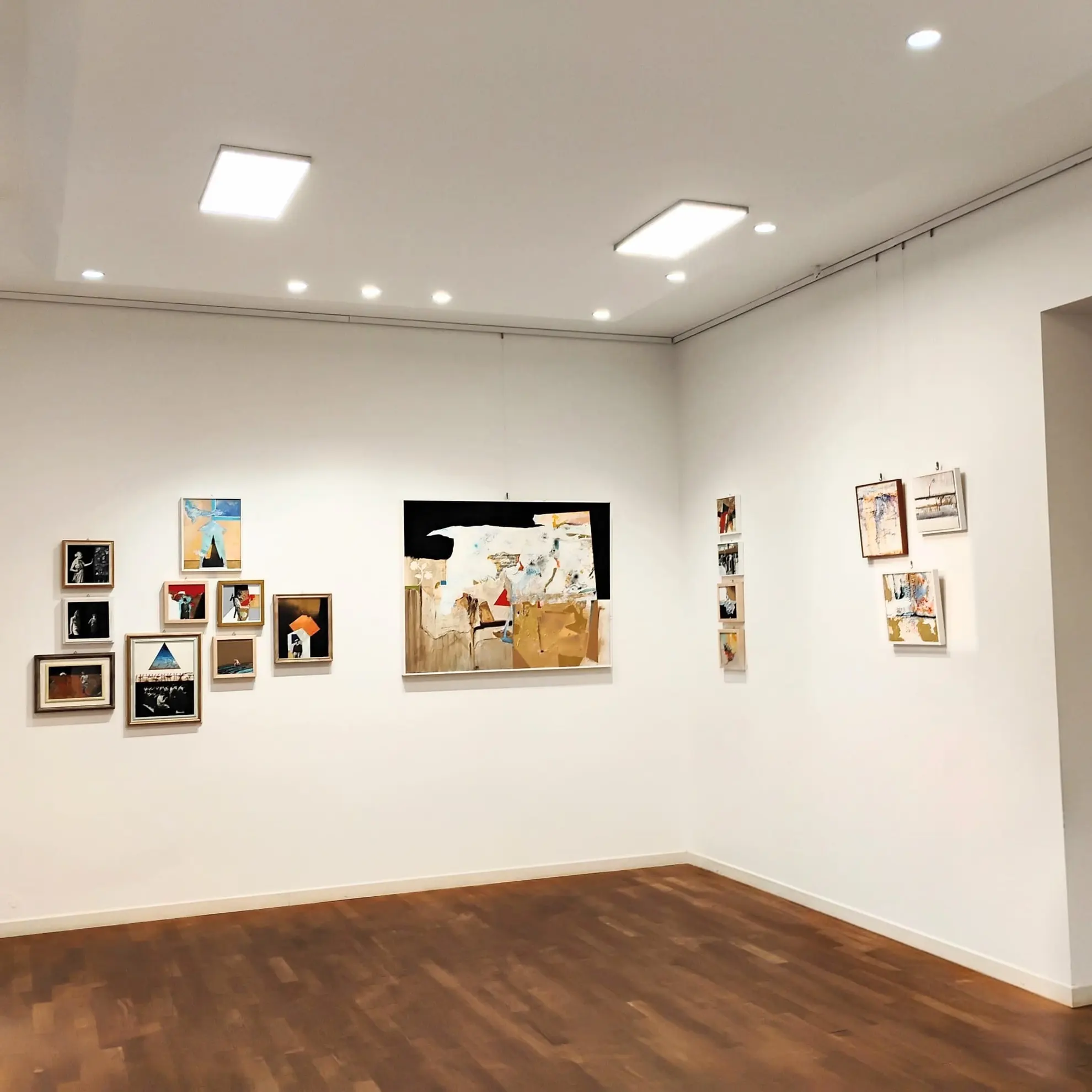
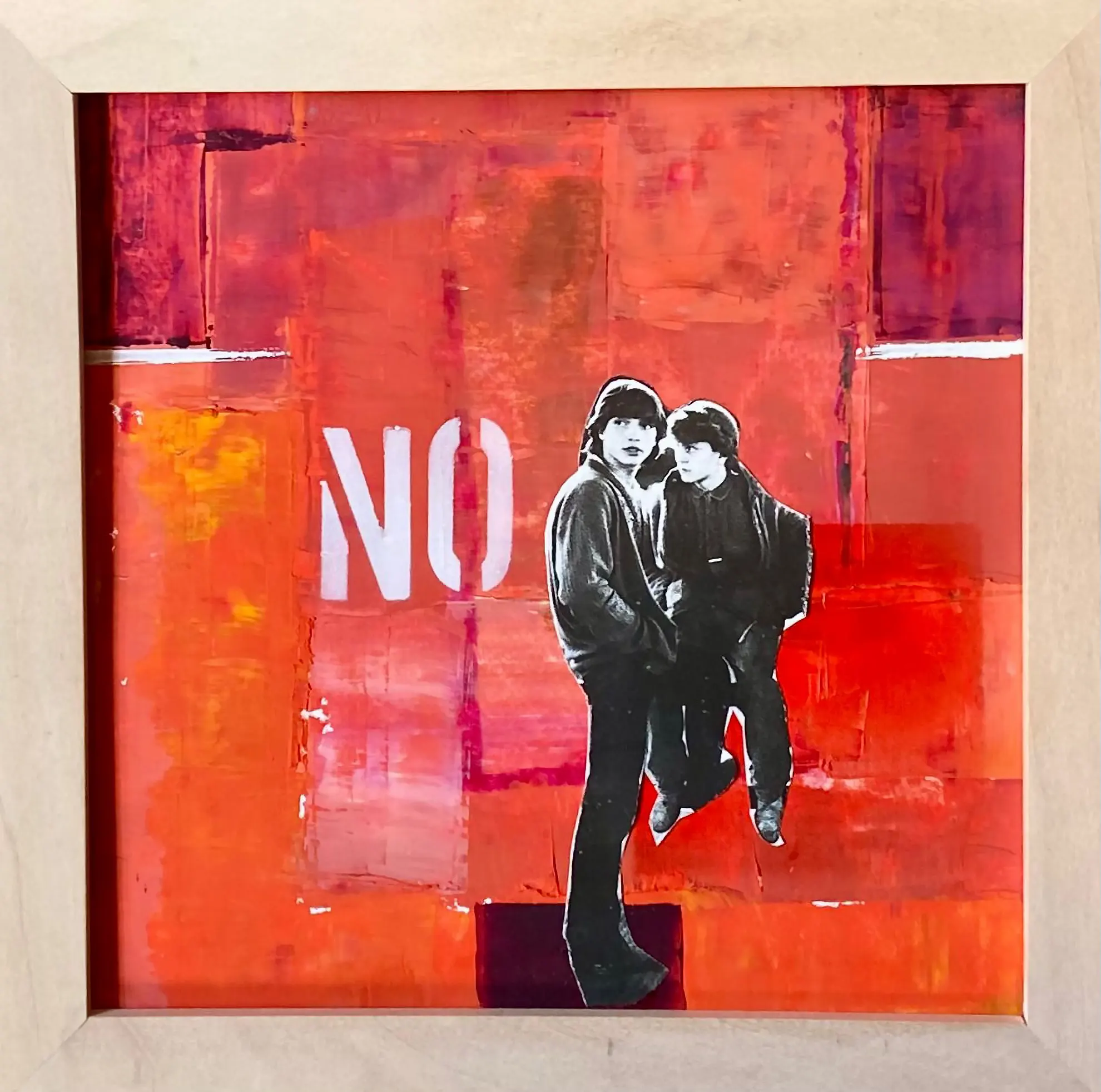
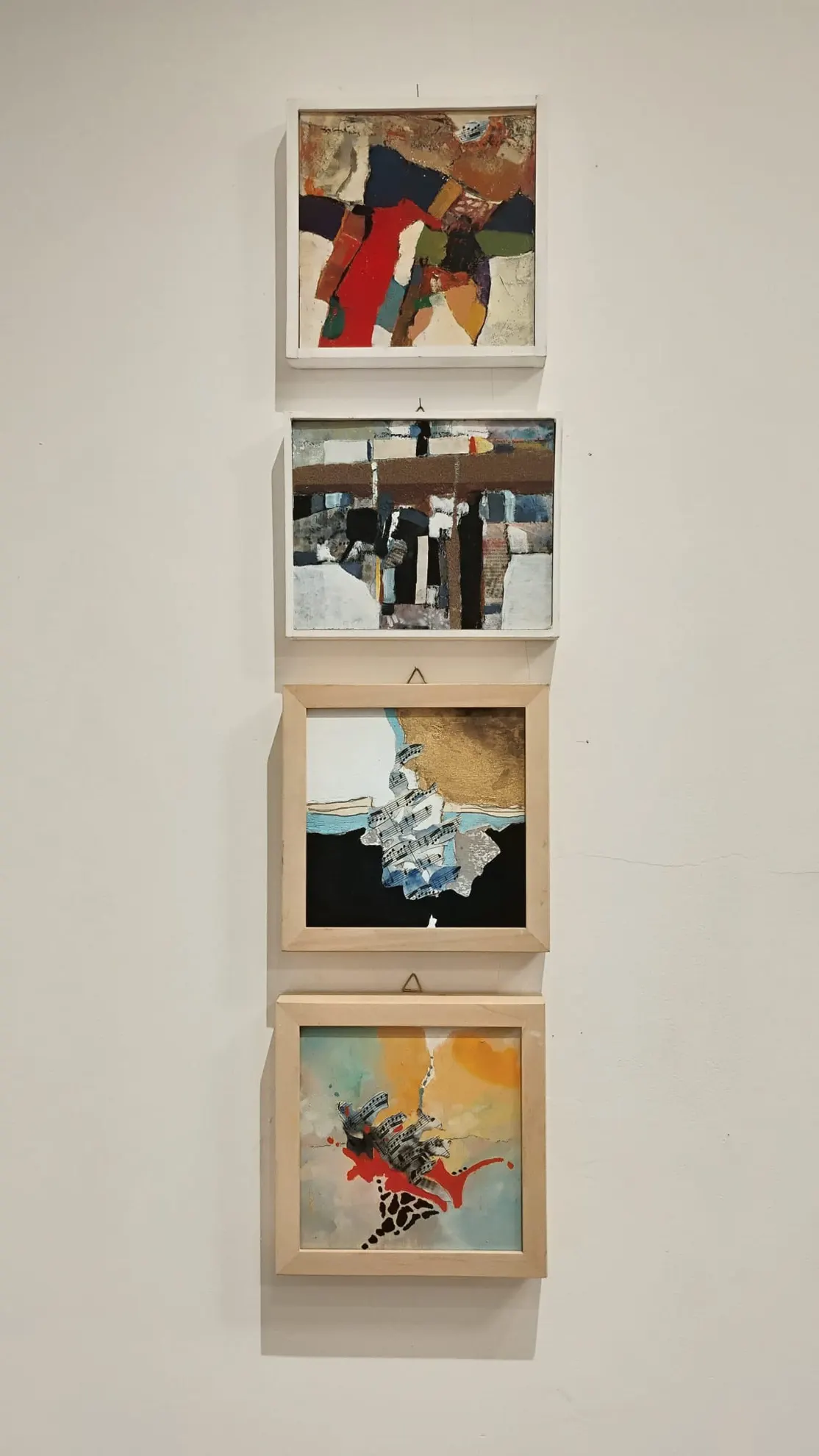
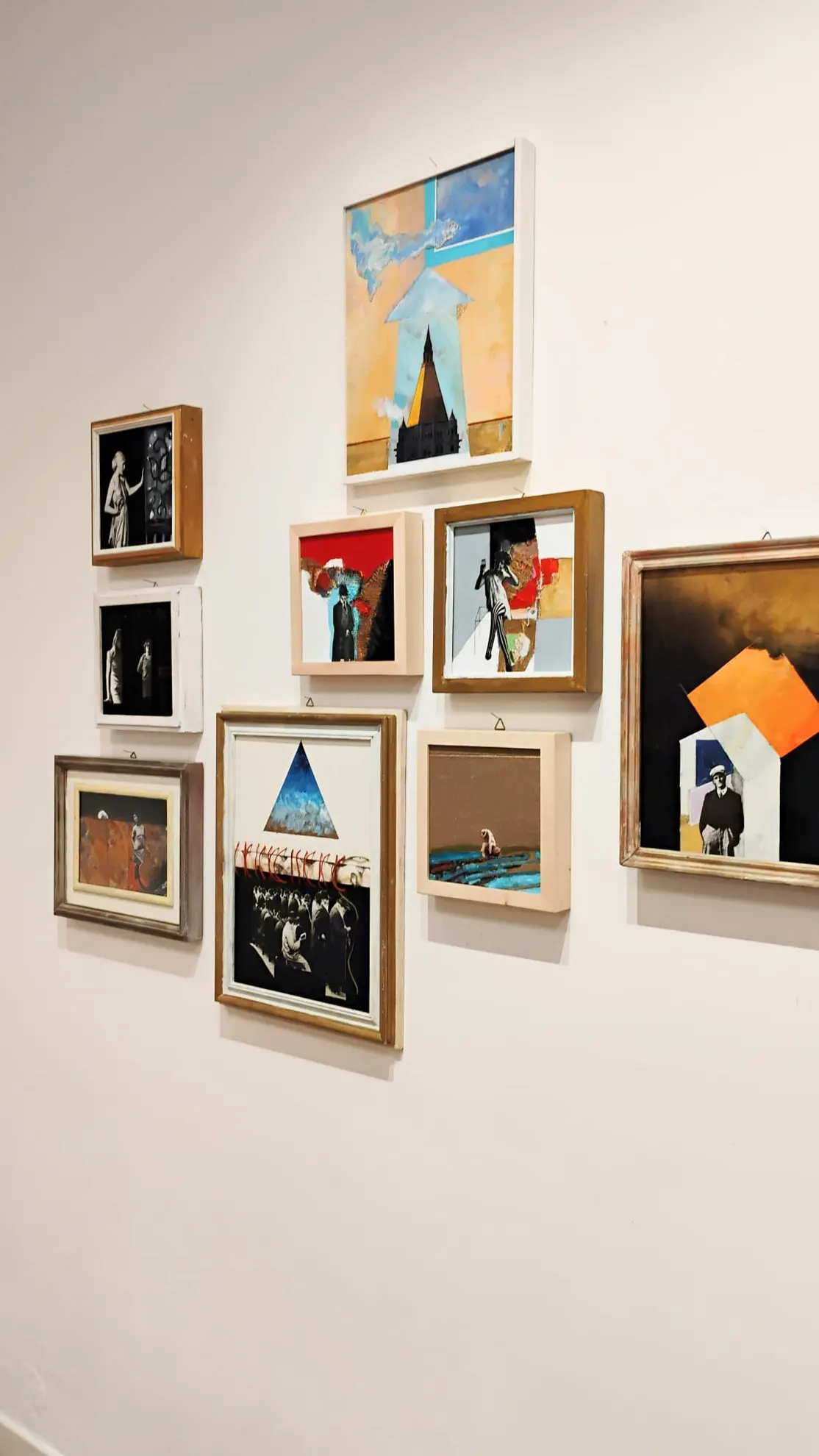
Then, as a counterpoint, the three-dimensionality of ‘conventional boxes’ – represented by the mysterious interplay of recycled materials which, beyond their appearance, come to symbolise the events, vicissitudes, difficulties, etc., that each of us faces on a daily basis.
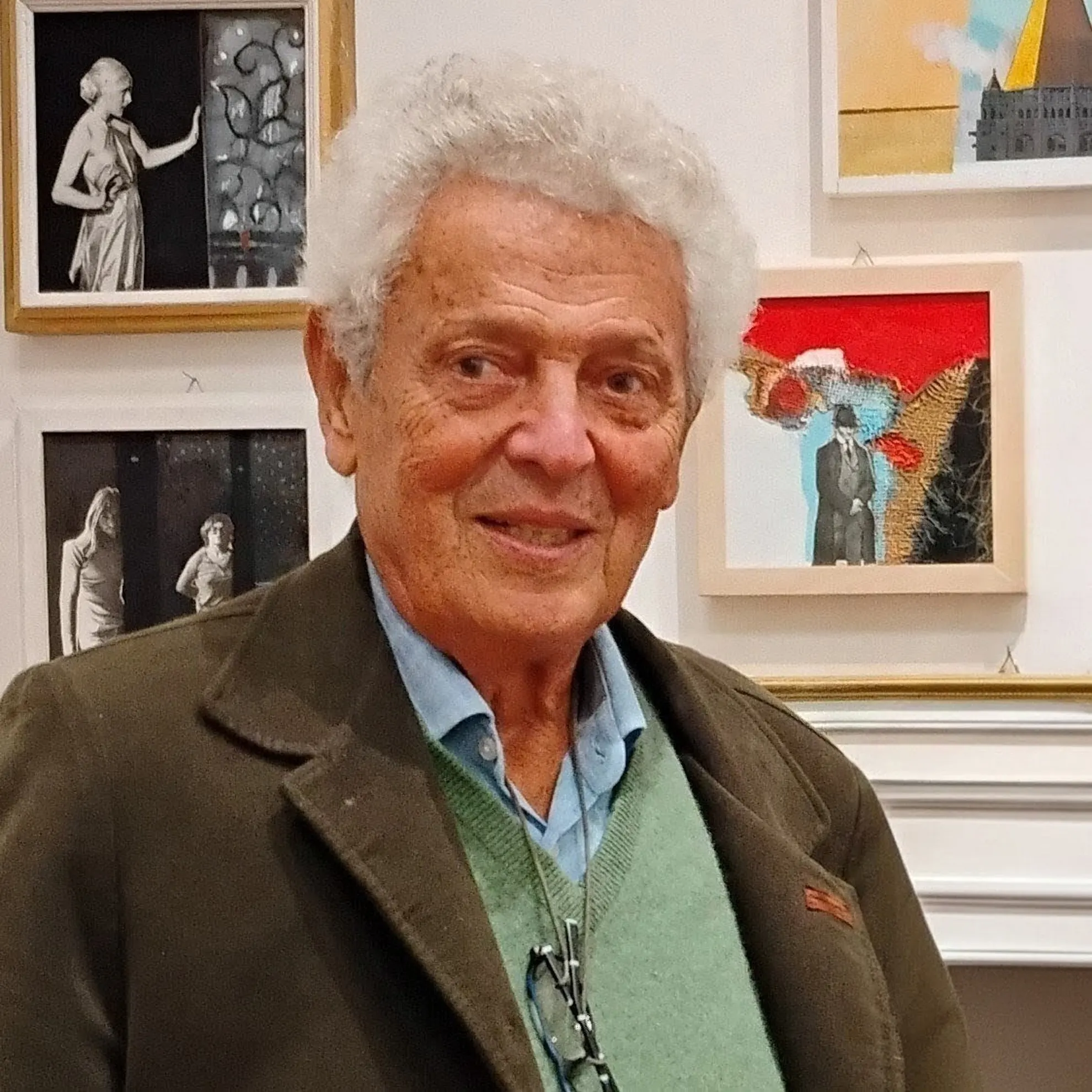
Corrado Ferrante: the rebellion of matter and the river of memory
Stubborn, curious and restless: it is with these three words that Corrado Ferrante opens the door to his artistic universe, a world where art is not mere decoration, but an act of existential resistance. His painting, dense and textural, has its roots in a childhood spent among the dam construction sites in the Marche region, where his father, an engineer, supervised hundreds of workers in a village that had sprung up out of nowhere. There, in a post-war Italy still scarred by rubble, toys did not exist: there were only stones, earth, bricks and tin tins. It was by learning to assemble these salvaged materials that Ferrante discovered the pleasure of composition, an instinct he would later rediscover, years on, whilst studying architecture and, ultimately, through painting.
Her art is “introspective, textural and symbolic”. She does not use colours at random, but materials that have a history: cardboard, charcoal dust, chalk. Every object is a symbol. Ferrante cites Van Gogh and his shoes: he does not paint an upper and a sole, but the toil of living, the act of walking, the way in which each of us wears out our shoes depending on the ground we tread in life. Running across a lawn is different from running across a ploughed field: the body knows this before the mind does, and this ‘motility’ is lived life; it is experience that becomes art.
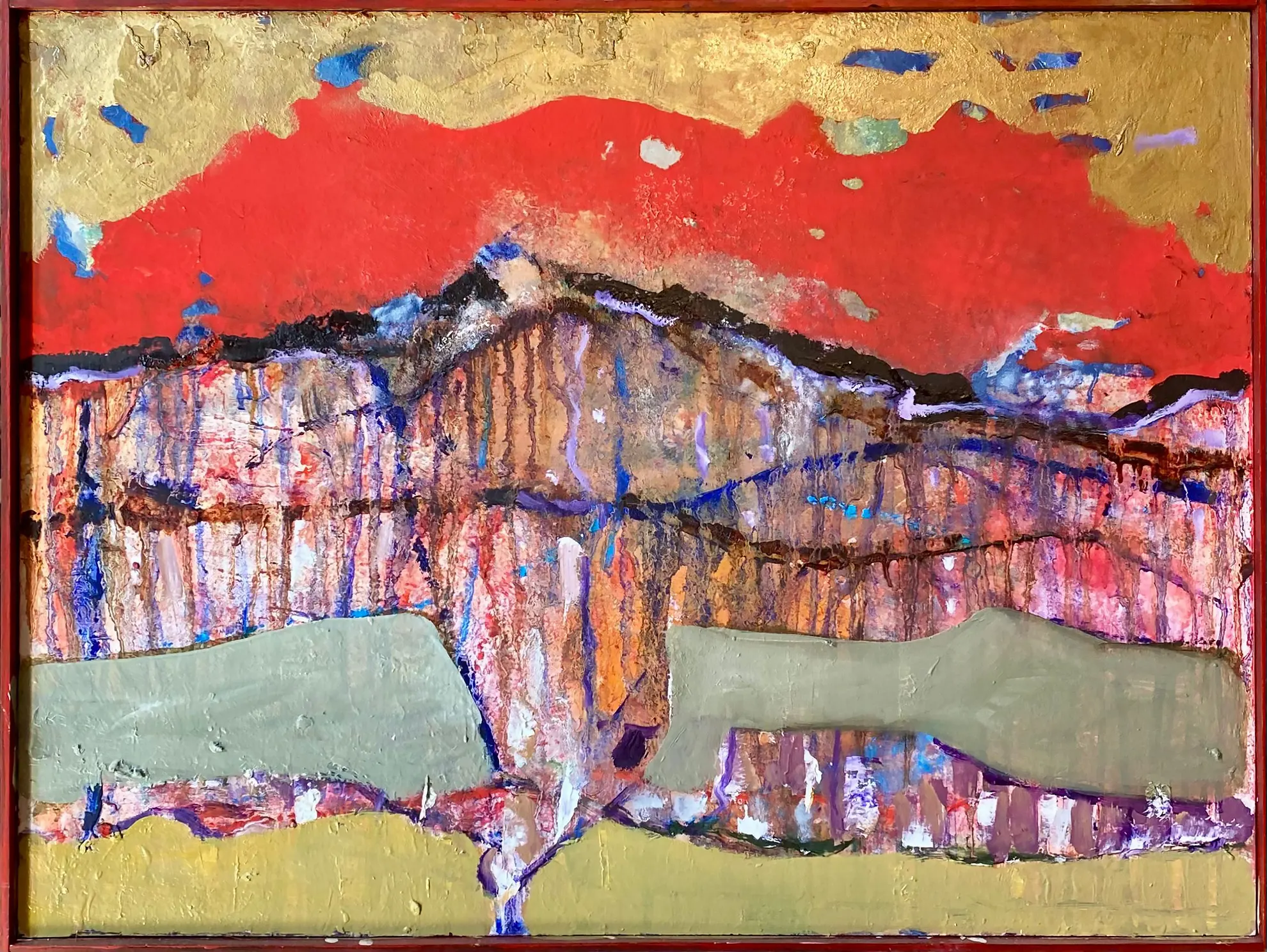
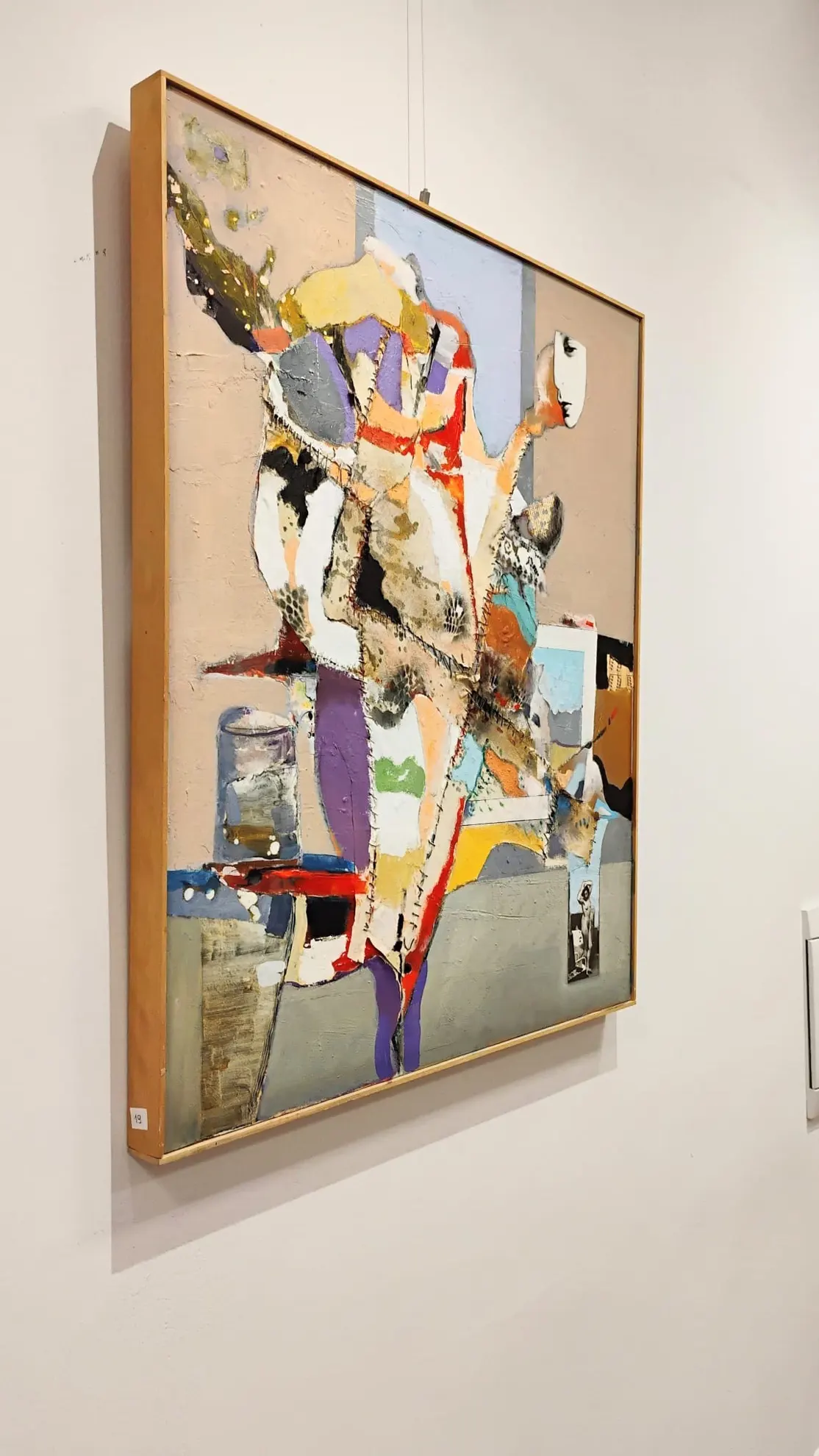
Ferrante’s creative process is a continuous, and at times conflictual, dialogue with the material. He works on wooden panels because wood ‘speaks’: the knots and grain suggest directions. If he makes a mistake, he does not erase it completely. He whitewashes it, yes, but then goes back with sandpaper to scrape away the layer, because ‘beneath’, the mistake speaks. To erase everything would mean not having listened to what the work wanted to say. For him, a work is never finished: it should always suggest something new, but it is often ‘mental laziness’, tiredness or a distraction (perhaps to pick up the guitar) that forces the artist to stop.